With so many regulatory changes in the HVAC industry, it’s no surprise that homeowners are learning more and more about them. One of the biggest regulatory changes is the phase-out of R410A refrigerant. Understanding the reason behind this phase-out and how it affects your existing air conditioning system is helpful.
What Is Refrigerant?
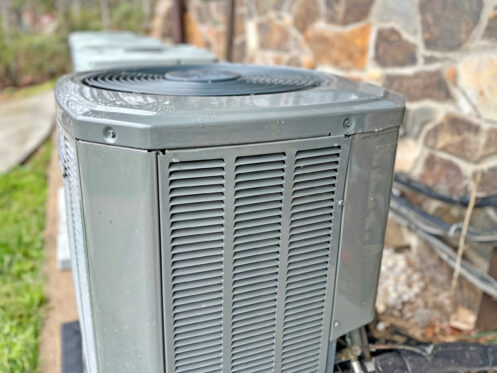
Before we dive into what R410A is and why it’s being banned, it’s first important to understand what a refrigerant is. Refrigerant is a substance inside your air conditioning system that transfers heat from one location to the next. During the summertime, it will absorb heat from inside your home and transfer it to your outdoor condenser unit. In this unit, heat is dispersed into the air.
What Is R410A?
R410A is a popular type of refrigerant used in home air conditioning systems. It’s classified as a hydrofluorocarbon refrigerant and became the industry standard around 2010. It replaced an outdated R22 refrigerant marketed as Freon. Freon was banned because it was known to deplete the ozone layer.
Why Is It Being Banned?
Over the years, scientists have shown that R410A refrigerant has a high global warming potential. This means that it leaks into the atmosphere and contributes significantly to greenhouse gas emissions. The Environmental Protection Agency (EPA) enacted the American Innovation and Manufacturing Act, known as AIM for short.
This is a required phase-out on the production and consumption of R410A refrigerant throughout the country. This is done to align with global climate goals and treaties around the world. The specific act is aimed at reducing reliance on R410A refrigerant and not immediately disposing of any items that use it.
A Quick Phase-Out Timeline Recap
The EPA specifically structured the R410A phase-out program to be a multi-stage process. It started in 2002 with the EPA reducing the allowable production and imports of HFC refrigerants, including R410A. On January 1st, 2025, the EPA required that all new air conditioning systems and heat pumps no longer be produced with R410A refrigerant. This also restricted the importation of any systems that use R410A.
As of December 31st, 2025, all retailers and wholesalers of HVAC units must get rid of any inventory that uses R410A. They may only offer systems using newer refrigerants moving forward. As of January 1st, 2026, HVAC contractors may only use recycled or reclaimed R410A refrigerant.
How This Affects Your Existing System
Unless you’ve updated your unit in the last year or so, it’s likely your system uses R410A refrigerant. It’s perfectly legal for homeowners to continue using any existing air conditioning or heat pump system that relies on R410A refrigerant. However, the supplies of available R410A refrigerant are increasingly limited.
If your system needs to be recharged with refrigerant to enhance its performance, you can expect to pay more for the refrigerant. In fact, the refrigerant will only get more expensive as supplies decrease. You will eventually find that it’s more cost-effective to purchase a newer unit with a new refrigerant than to pay for the phased-out R410A refrigerant.
It’s also important to note that HVAC manufacturers had to completely redesign their air conditioning and heat pump systems to accommodate newer refrigerant types. This means that finding available parts for systems that use R410A will be harder as time passes. The price of these parts is likely to increase as supplies dwindle.
Can You Retrofit Your Outdated System?
When many homeowners hear about the newer refrigerants and the ban on R410A, they wonder if they can simply convert their existing system. Because newer systems had to be redesigned, it isn’t possible to convert existing R410A systems to use one of the newer refrigerants. Newer refrigerants like R454B and R32 operate at different pressures and require different lubricants than existing R410A equipment.
Should You Upgrade?
Just because there’s a phase-out on R410A refrigerant doesn’t mean you need to immediately upgrade your existing air conditioning system. However, there are situations where you may want to consider doing so. Most residential central air conditioning systems last for about 15 to 20 years, while heat pumps last about 10 to 15 years. If your existing system is reaching the end of its lifespan, it may be time to consider an upgrade.
If your existing system requires frequent repairs at least once a year or multiple times a year, it’s time to think about an upgrade. As your system ages, it will get less and less efficient. This means your energy bills will continually increase. If you’re noticing a stark increase in your energy bills alongside uneven cooling, it’s time to think about an upgrade. Additionally, if your warranty coverage has expired, you may want to consider upgrading soon.
What’s Replacing R410A?
R410A is being replaced with newer A2L class refrigerants. These have a significantly lower global warming potential, making them a safer option for the environment. Two of the most popular types of A2L refrigerants on the market include R454B and R32. Both of these refrigerants operate more efficiently than R410A. They do have a slightly higher flammability, requiring HVAC technicians to have updated training on handling.
The Benefits of Upgrading to a Modern System
Upgrading from a system that uses the old R410A refrigerant to a system that uses a modern R454B or R32 refrigerant comes with a lot of benefits. One of the most notable is the improvement in energy efficiency. Newer systems are designed to operate more efficiently due to advanced compressors, optimized airflow, better heat exchangers, and more. The more efficient your new system is, the lower your energy bills will be. Over the lifetime of your new system, this can lead to significant energy savings.
One benefit of upgrading that can’t be overlooked is the reliability it brings. Newer systems are much less likely to break down. They also come with warranty coverage, so that you don’t have to pay out of pocket when you do. Newer systems have a wide availability of parts, making them cheaper to repair than outdated systems with limited parts availability.
Upgrading to a newer system will reduce your family’s carbon footprint. This is because newer systems use refrigerants with lower global warming potentials than R410A systems. This can provide peace of mind about the eco-friendliness of your household. Also, with the right financing, you can make upgrading ideal for your budget.
Upgrading to a more modern system will increase your home’s resale value. You’ll likely notice enhanced comfort as newer systems provide even cooling throughout the entire summer. Most modern HVAC units have enhanced filtration, humidity control, and variable-speed fans that can reduce airborne pollutants in your home. This is great for families that have allergies or respiratory concerns.
Reliable AC Replacement Service
Smedley Service provides reliable AC replacement services in Layton, UT and the surrounding areas. We can also assist with all of your AC installation, repair, and tune-up needs. Simply call our office today to schedule your next service appointment with one of our skillful HVAC technicians.